At Dr. W. Gray Grieve Orthodontics, Dr. Grieve helps adults in Eugene, OR and surrounding communities understand what is causing their crossbite and which options may fit their needs. Since adult jaw growth is complete, treatment can differ from care for a growing child.
What Does It Mean to Have a Crossbite?
A crossbite happens when one or more upper teeth sit inside the lower teeth when the mouth closes. It can affect the front teeth, back teeth, one side of the mouth, or several teeth at once.
Some crossbites are easy to see. Others are less obvious. You may notice that your bite feels uneven, your jaw shifts as you close, or you chew more on one side.
When the teeth do not meet evenly, some areas may take more pressure during biting and chewing. Over time, this can lead to uneven tooth wear or changes in the way the jaw closes. A crossbite does not always cause pain, so an exam can still be useful even when the problem does not feel urgent.
Why Does the Cause of an Adult Crossbite Matter?
The cause matters because a dental crossbite and a skeletal crossbite may need different types of treatment. An orthodontist first needs to find out whether the problem comes mainly from the teeth, the jaws, or both.
A dental crossbite may involve teeth that are tipped, turned, crowded, or out of line with the teeth in the other arch. In these cases, treatment may focus on moving the affected teeth into a better bite.
A skeletal crossbite involves the size or position of the jaws. For example, the upper jaw may be too narrow compared with the lower jaw. Since adults have finished growing, these cases may need a different plan than a crossbite caused mainly by tooth alignment.
Some patients have both dental and skeletal factors. This is why two adults with crossbites that look similar may receive different treatment plans after an exam.
Can Braces Correct an Adult Crossbite?
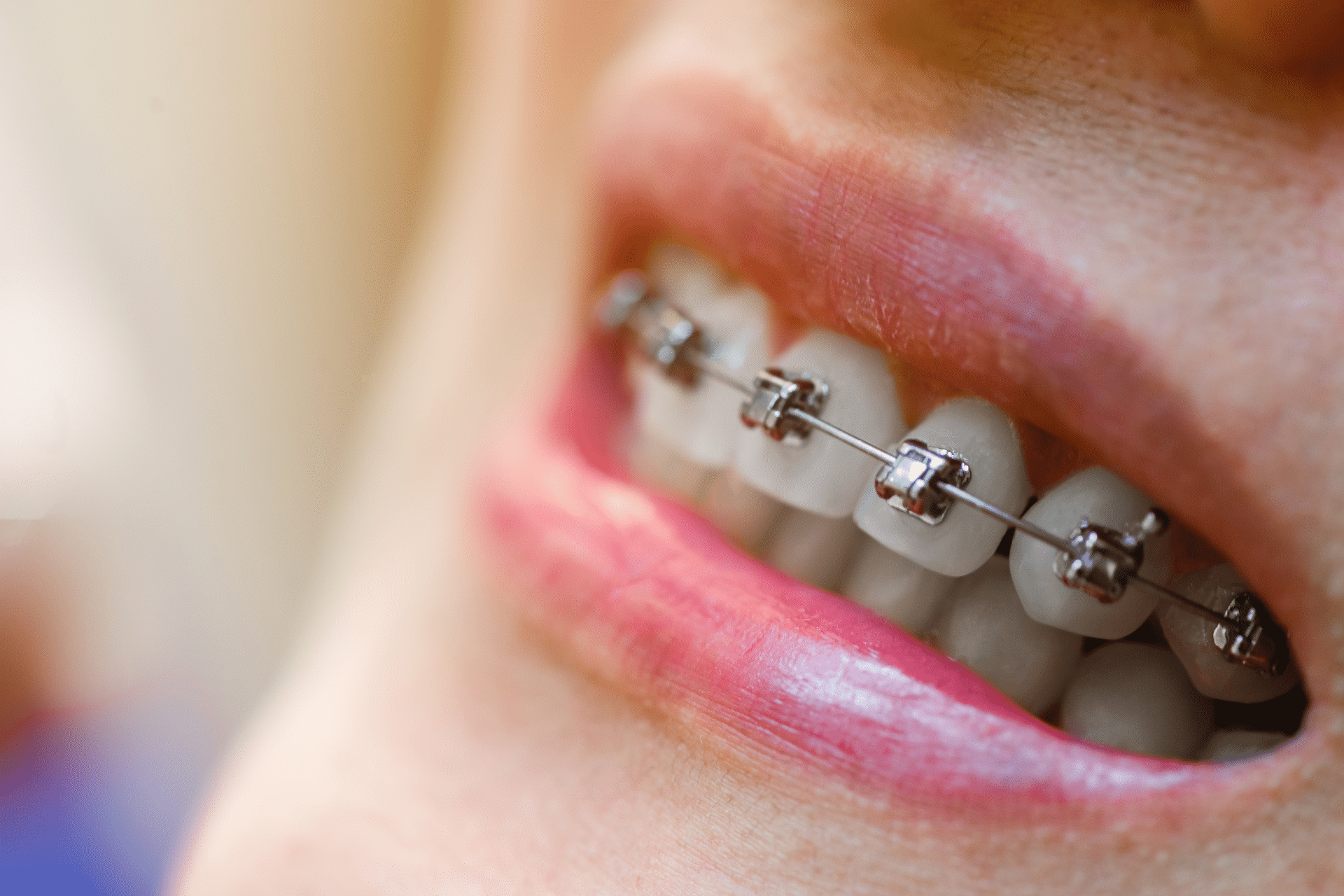
Braces can correct some adult crossbites when moving the teeth and can improve how the upper and lower arches fit together. Brackets and wires give the orthodontist control over tooth movement and can help improve the bite over time.
They may be useful when several teeth need to move or when the bite needs more detailed correction. Regular adjustments let the orthodontist guide the teeth step by step.
Braces cannot correct every adult crossbite on their own. If a major jaw-width difference or another skeletal issue is causing the bite, a different or additional treatment may be needed.
Clear aligners may also be an option for some crossbites. The right choice depends on the type of crossbite, how severe it is, and which tooth movements are needed. An orthodontic exam can show whether braces, clear aligners, or another approach may work best.
How Is Early Crossbite Treatment Different?
Early crossbite treatment can be different because a child’s jaws and dental arches are still developing. When a crossbite is found during growth, an orthodontist may have a chance to guide jaw or arch development before the bite becomes more established.
The American Association of Orthodontists recommends an orthodontic checkup by age 7. At this age, an orthodontist can look at baby and permanent teeth, jaw growth, and how the upper and lower teeth fit together.
An early check does not mean treatment will start right away. Some children only need to be watched as their permanent teeth appear. In other cases, treatment may be helpful if the crossbite affects jaw position, arch width, or the way the teeth meet.
A growing child may have treatment options that use ongoing growth. Adult treatment works with a jaw structure that has already finished growing. This changes the treatment plan, but it does not mean adults are too late for care.
Ready to Have Your Crossbite Evaluated?
If you are not sure whether braces can correct your crossbite, an orthodontic exam can help find the cause. It can also show whether the problem is mostly dental, mostly skeletal, or a mix of both.
Parents can also consider an exam if a child seems to have a crossbite or if a dentist has raised a concern about the bite. The next step may be treatment, monitoring, or waiting until a later stage of growth.
At Dr. W. Gray Grieve Orthodontics in Eugene, OR, Dr. Grieve can check your bite and explain whether braces, clear aligners, early orthodontic care, or another approach may fit your needs. Schedule a free consultation to learn more about your options.
